How Are Solar Panels Made?
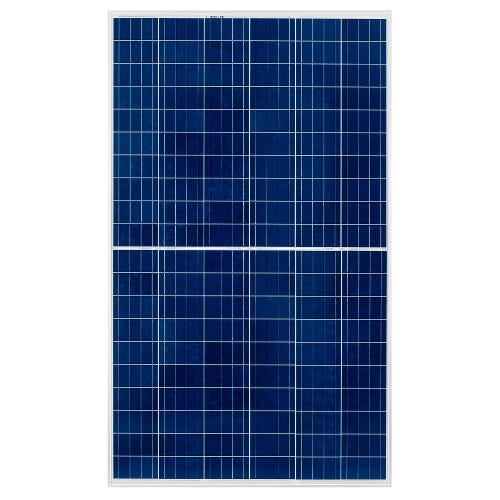
So how are solar panels made? The basic process involves multiple layers of solar cells, as well as a protective back sheet and various kinds of wiring. The silicon wafers, which store energy, are wedged between the protective layers and the glass cover. The panels also contain a junction box, which allows them to be connected to additional panels. If you’re interested in learning more about solar panels, read on. We’ve compiled some useful tips and information below.
The solar cell itself has no moving parts and is composed of layers of silicon wafers. They are treated with blue-purple silicon nitride to reduce the reflectivity of the surface and absorb more solar energy. Then, thin conductive metal pinstripes are printed onto the wafers’ surface. The panels are then layered together. The individual cells are then joined together to form a panel.
The silicon used in solar panels comes in several varieties. There are amorphous and polycrystalline types, as well as ones that are wired. Silicon is an excellent conductive material, and is used to make microchips for computers. It also has electrical properties, so it can be used in solar panels. After they are encapsulated, the panels are mounted into an aluminium frame and a Tedlar or Mylar back-sheet.
The back-sheet is another layer of protection. It acts as a moisture barrier and helps prevent water from penetrating the solar cell. A polymer-based encapsulant is used. It is important to use a high-quality encapsulant so that the solar cells don’t degrade in harsh weather conditions. During manufacturing, solar cells are tested using flash testers, which simulate real-life conditions with 1000W/m2 irradiance, a cell temperature of 25 degrees Celsius and 1.5 grams of air mass. All of these electrical parameters are written on the technical specification sheet.
The silicon in solar panels is used to generate electricity. This substance is abundant and cheap and lends itself well to the semiconductor industry. Silicon is also the second most abundant element on the planet after oxygen. Silicon’s chemical makeup makes it a highly efficient semiconductor and allows it to transfer energy efficiently to batteries or an electrical system. These solar cells can even be manufactured from rocks found on the beach. But how are solar panels made? And what’s the process of silicon refinement?
The first step in making a solar panel is manufacturing the photovoltaic wafers. Photovoltaic cells, also known as PVs, are silicon semiconductors that convert sunlight into electricity. The silicon semiconductors in solar panels are connected electrically to form a p-n junction. This is the fundamental structure of a solar cell and allows it to transfer electrons. These two components, together with the metal frame, form a solar panel.
Monocrystalline PV cells contain only one crystal of silicon, whereas polycrystalline panels have multiple crystals. Monocrystalline panels require more labor to manufacture and are generally more expensive than polycrystalline panels. However, they are more efficient than other solar panels. Monocrystalline panels can last for more than 25 years and have a better warranty than polycrystalline panels. So, which type of solar panel will best suit your needs? Let’s explore the process.


Comments
Post a Comment